制作人:赵敏乔 · 孙文韬
Author:Minqiao Zhao & Wentao Sun
版权所有 Copyright © 2026
Group Presentation · Biochemistry
Anaerobic and Anoxic
Biotreatment of Waste
How microbes turn waste into resources — a journey through treatment technologies
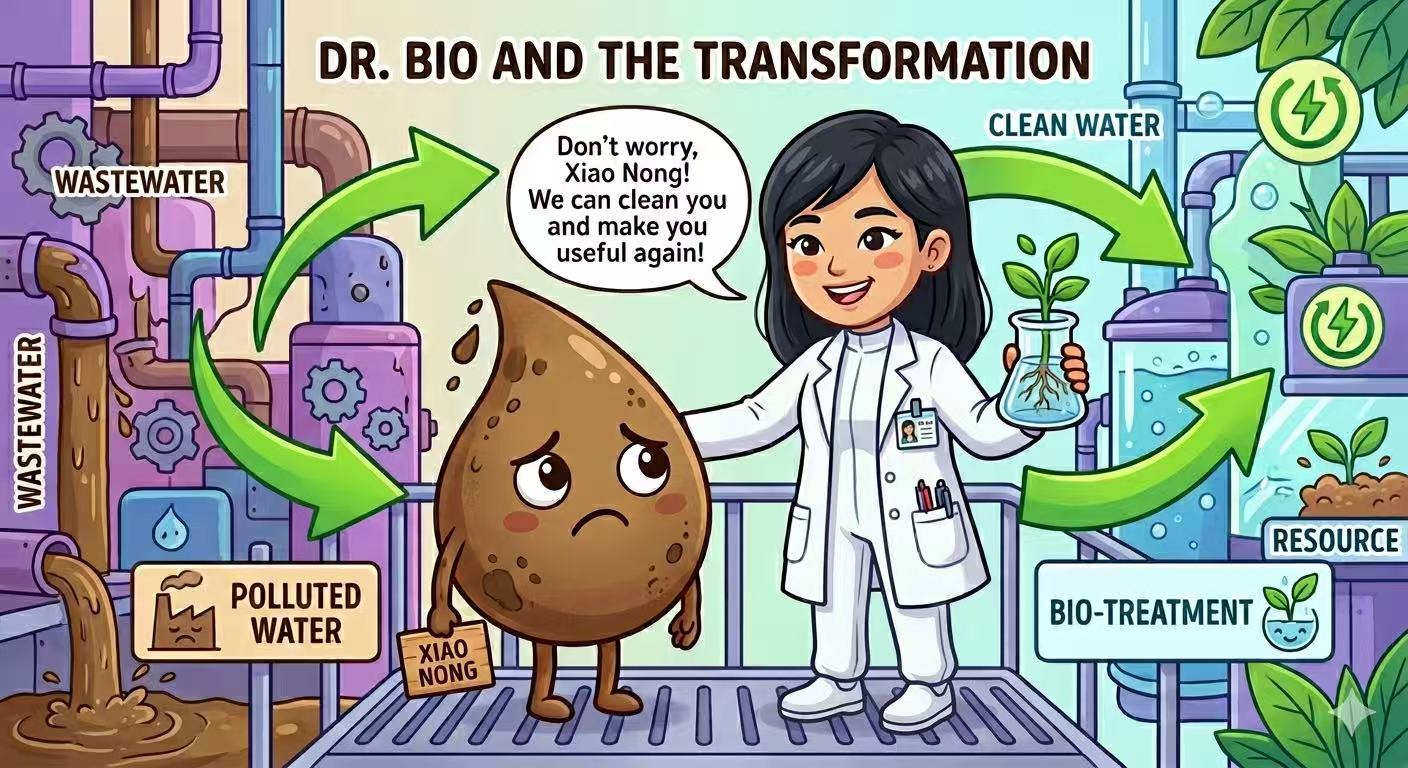
Character A · 甲
Xiao Nong 小浓
High-strength organic wastewater.
Our protagonist on this journey.
Character B · 乙
Dr. Bio
Environmental engineer & guide.
Explains the science along the way.
Title image
02 — Foundation
What is Waste?
Not all wastewater is "high-potential" — the distinction matters for how we treat it
💧 Weak sewage
Low concentration
  • COD typically < 200 mg/L
  • Urban runoff, domestic sewage
  • Pollutant as nuisance
  • Goal: remove & discharge
🏭 Wastewater (High-Strength)
High concentration
  • COD typically > 1,000 mg/L
  • Breweries, food processing, landfill leachate
  • Pollutant as potential resource
  • Goal: treat AND recover
Key insight: High-strength "waste" contains chemical energy — COD = stored energy waiting to be harvested
Why biotreatment?
  • Microorganisms naturally break down organic compounds
  • Can be engineered to recover energy (biogas) and nutrients (N, P)
  • Lower energy input than chemical/physical treatment for high-strength waste
03 — Meet the Protagonist
Xiao Nong's Profile
High-strength wastewater from a brewery — high concentration sometimes can = high potential
⚠ High COD
5,000 mg/L
Organic matter — depletes O₂ in rivers, kills fish
Energy potential
⚠ High NH₄⁺
200+ mg/L
Ammonia nitrogen — toxic to aquatic life, causes eutrophication
Nitrogen resource
⚠ High P
30+ mg/L
Phosphorus — triggers algal blooms, eutrophication
Fertilizer potential
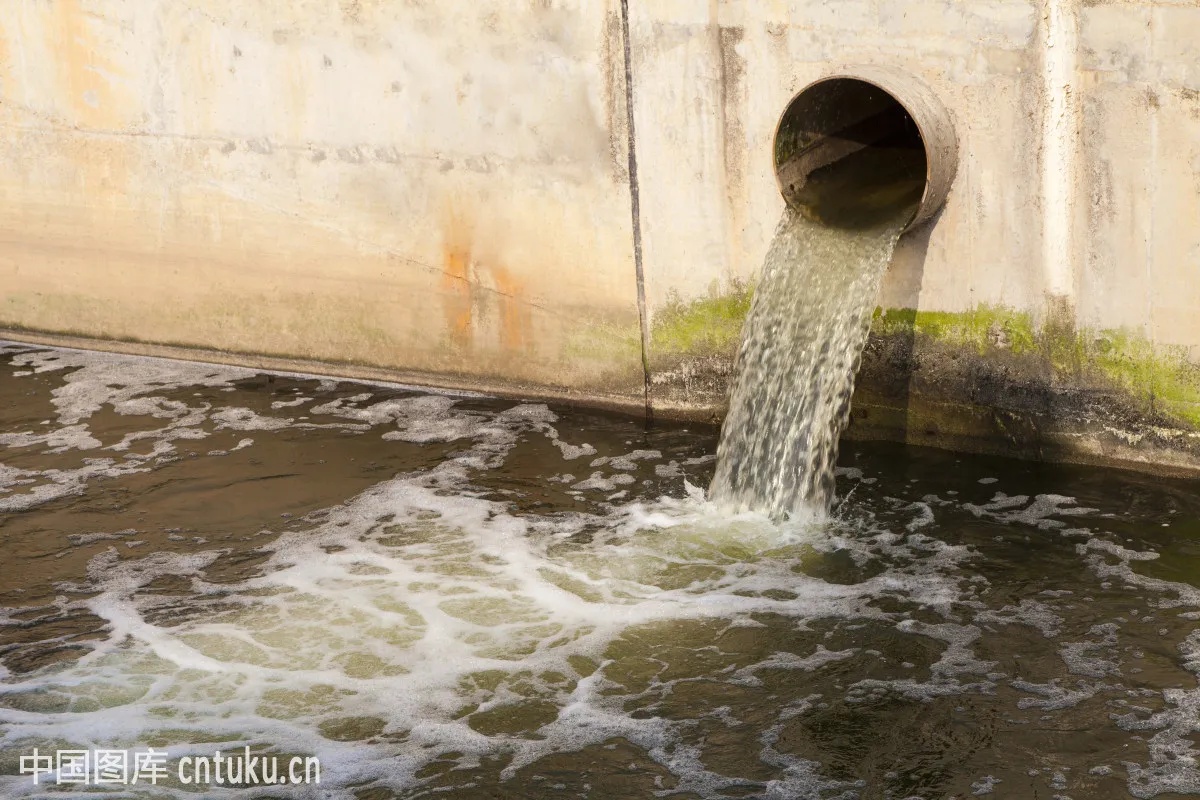
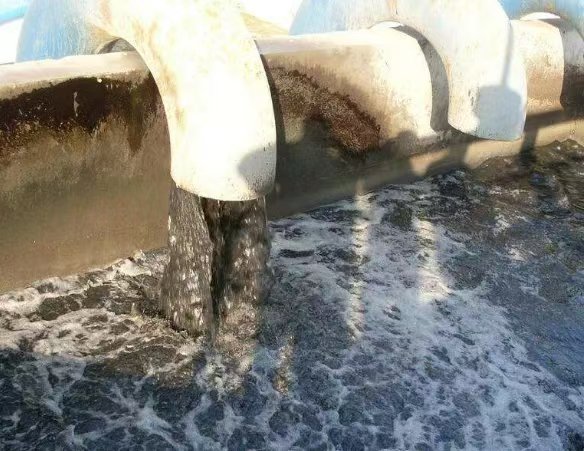
Xiao Nong origin
Xiao Nong origin 2
High concentration ——> High potential
The bigger the problem, the bigger the opportunity for resource recovery
04 — Core Concepts
Anaerobic vs Anoxic
Two oxygen-free environments — completely different microbial strategies
Quick check — drag each label to the correct environment
DROP ZONE A
?
DROP ZONE B
?
ZONE A clues
Zero O₂ · produces CH₄ · electron acceptor: CO₂
ZONE B clues
No O₂ · has NO₃⁻ · produces N₂
ANAEROBIC
ANOXIC
⚫ ANAEROBIC
Zero O
  • No (strictly zero)
  • Electron acceptor: CO₂ / organic compounds
  • End product: CH₄ + CO₂ (biogas)
  • Carbon source: Organic matter (oxidised)
  • Use: COD removal & energy
🔵 ANOXIC
No O, has NO₃⁻
  • No (but NO₃⁻ present)
  • Electron acceptor: NO₃⁻ or NO₂⁻
  • End product: N₂ gas
  • Carbon source: Organic matter (as electron donor)
  • Use: Nitrogen removal
A²/O note: Real systems like A²/O combine Anaerobic + Anoxic + Oxic zones — no single environment handles everything alone
Route A · Stop 1
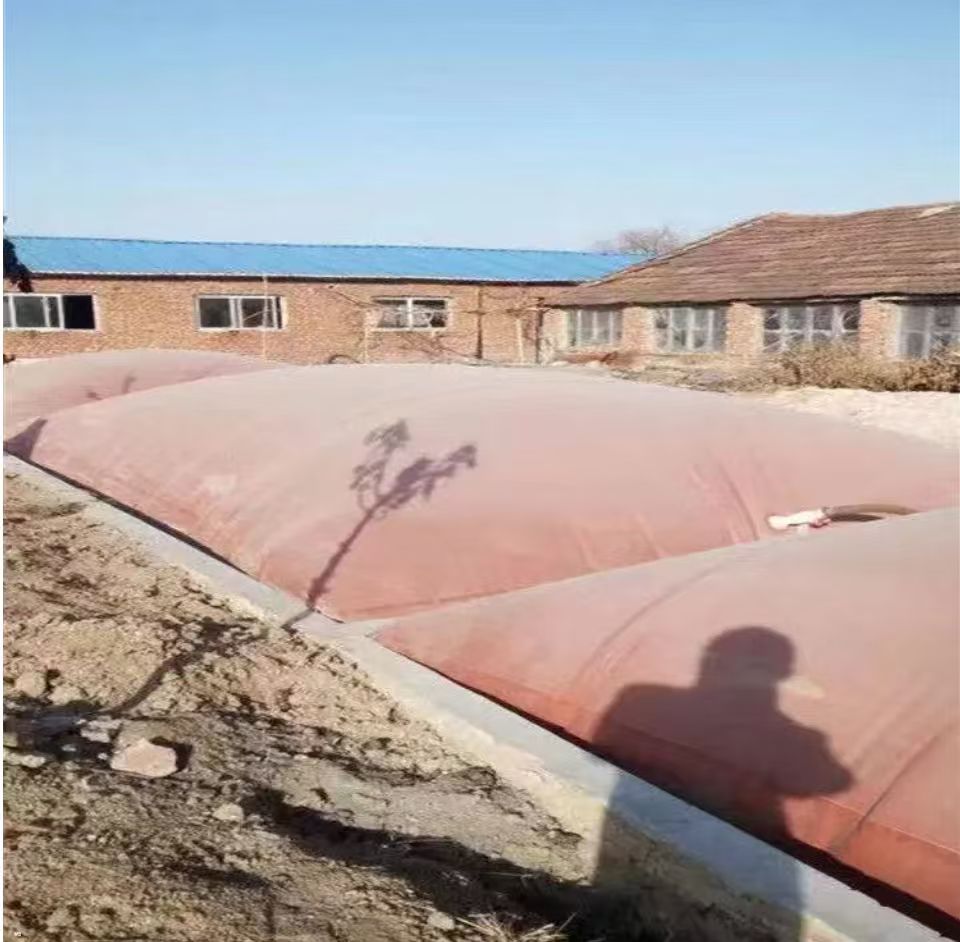
The Biogas Pit Era
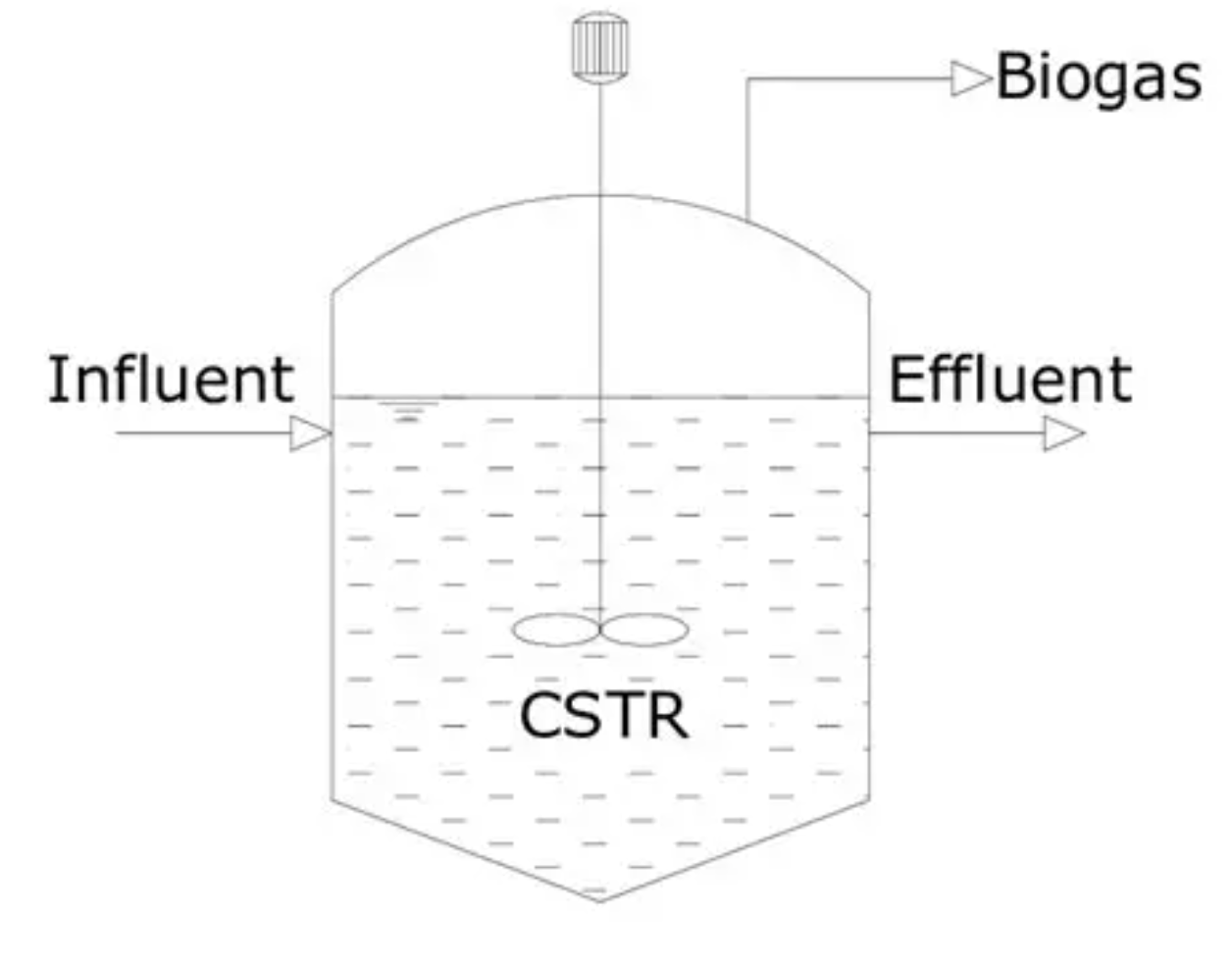
The original anaerobic reactor — slow but foundational. CSTR (Continuously Stirred Tank Reactor) is its engineered upgrade.
📷 Biogas Pit — 沼气池
Biogas pit photo
4-Stage Relay Reaction
Hydrolysis 水解 ① Acidogenesis 产酸 ② Acetogenesis 产乙酸 ③ Methano- genesis 产甲烷 ④ Organic waste in + CO₂ + CO₂ Polymers → monomers (sugars, amino acids) Monomers → VFAs (propionate, butyrate) + H₂ VFAs → acetate + H₂ (decarboxylation) Acetate + H₂ → CH₄ + CO₂ Example equations ① Starch + H₂O → glucose (C₆H₁₂O₆) ② C₆H₁₂O₆ → butyrate + 2H₂ + 2CO₂ ③ CH₃CH₂COO⁻ + 2H₂O → acetate + 3H₂ + CO₂ ④ CH₃COO⁻ → CH₄ + CO₂ Biogas out ⚠ rate-limiting step Overall C₆H₁₂O₆ → 3CH₄ + 3CO₂
📷 CSTR Reactor — 连续搅拌反应器
CSTR reactor structure
Quick check — what does the stirrer actually do in a CSTR?
A · It pumps wastewater in and out of the reactor
B · It separates biogas from the liquid
C · It keeps the contents uniformly mixed — preventing dead zones and improving microbe-substrate contact
D · It heats the reactor to optimal temperature
CSTR upgrade: Adds mechanical mixing → more uniform environment, prevents dead zones, slightly faster than open pit
HRT: 20–30 days
COD removal: ~50–70%
Biogas: 60% CH₄
  • First proof that high-COD waste → biogas energy is possible
  • Established the 4-stage anaerobic pathway — still the basis of all anaerobic processes
  • Significant COD reduction without chemical inputs
  • Biogas can power the treatment plant itself
Conceptual breakthrough: Waste = energy source
  • HRT 20–30 days — enormous reactor volume needed
  • Microbes are not retained — wash out with effluent
  • No N or P removal — only handles COD
  • Low biomass concentration → low reaction rate
Core problem: Microbes leave the reactor — you can't keep them working
Comparison will grow as you learn more technologies
ParameterBiogas Pit / CSTR
HRT20–30 days
Biomass retention❌ Poor (washout)
COD removal50–70%
Reactor volumeVery large
N & P removal❌ None
Route A · Stop 2
The UASB Revolution
Up-flow Anaerobic Sludge Blanket — Prof. Lettinga's 1970s breakthrough that changed everything
Key Innovation: Keep the Microbes
Innovation 1
Granular Sludge
Microbes self-aggregate into dense granules (1–3 mm). Dense enough to settle against upward flow — retained in reactor.
Innovation 2
Three-Phase Separator
V-shaped baffle at top: separates gas ↑, liquid →, sludge ↓ simultaneously — no moving parts.
Reactor vessel Influent Granular sludge bed Three-phase separator (3 baffles) Biogas collection Gas ↑ CH₄ + CO₂ Effluent (liquid →) Sludge ↓ settles back Three phases separated: Gas ↑ — biogas at top Liquid → — effluent exits side Solid ↓ — sludge falls back down
HRT: 6–12 hours
Speed-up: ~40×
COD removal: 70–90%
  • Solves biomass washout — granules stay, treatment is continuous
  • HRT: 6–12 hours vs 20–30 days — same volume, 40× faster
  • High biomass concentration → high reaction rate
  • No moving parts in separator — low maintenance
The insight: Separate HRT from SRT (sludge retention time) — keep microbes long, process water fast
  • Granule formation can take months — long start-up
  • Sensitive to high suspended solids (can clog sludge bed)
  • Still no N or P removal
  • Performance drops with very high-strength or toxic waste
  • Maximum up-flow velocity limited → throughput ceiling
Next challenge: Push velocity higher, handle more concentrated waste → EGSB
ParameterBiogas Pit / CSTRUASB
HRT20–30 days6–12 hours ✅
Biomass retention❌ Poor✅ Granular sludge
COD removal50–70%70–90% ✅
Up-flow velocity~0.5 m/h1–3 m/h
N & P removal❌ None❌ None
Start-up timeWeeksMonths (granule formation)
Route A · Stop 3
The EGSB — Expanding the Blanket
Expanded Granular Sludge Bed — higher velocity, taller reactor, expanded sludge bed
Same principle, higher velocity
UASB Packed bed 1–3 m/h 1 separator (single level) Eff. Biogas ↑ Inf. vs EGSB Expanded bed 4–10 m/h 1st 2nd 2 separators (stacked levels) Eff. (between levels) Biogas ↑ Inf. Recycle ↓ to inlet UASB: 1 separator · packed bed · 1–3 m/h | EGSB: 2 separators · expanded bed · 4–10 m/h · recycle
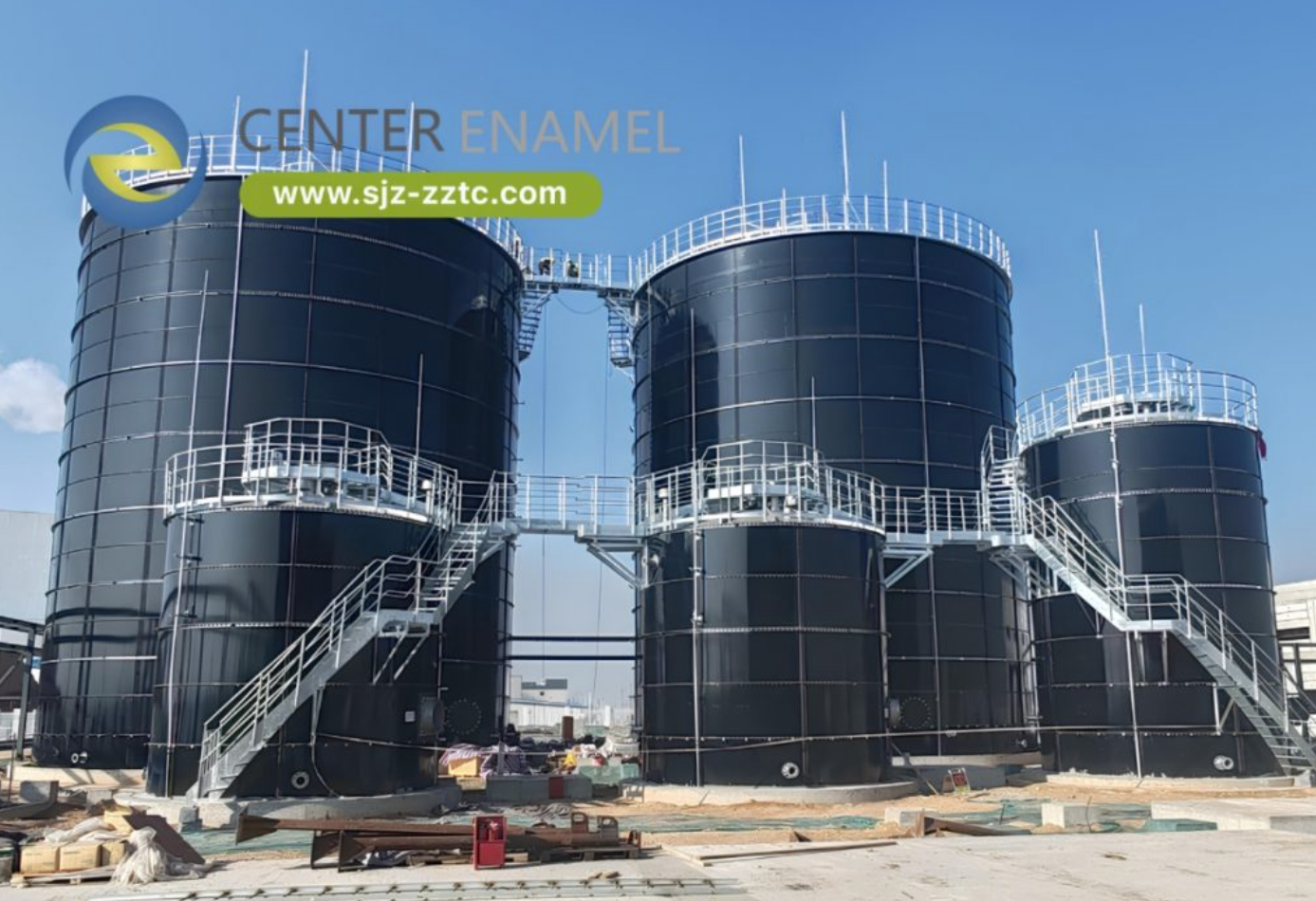
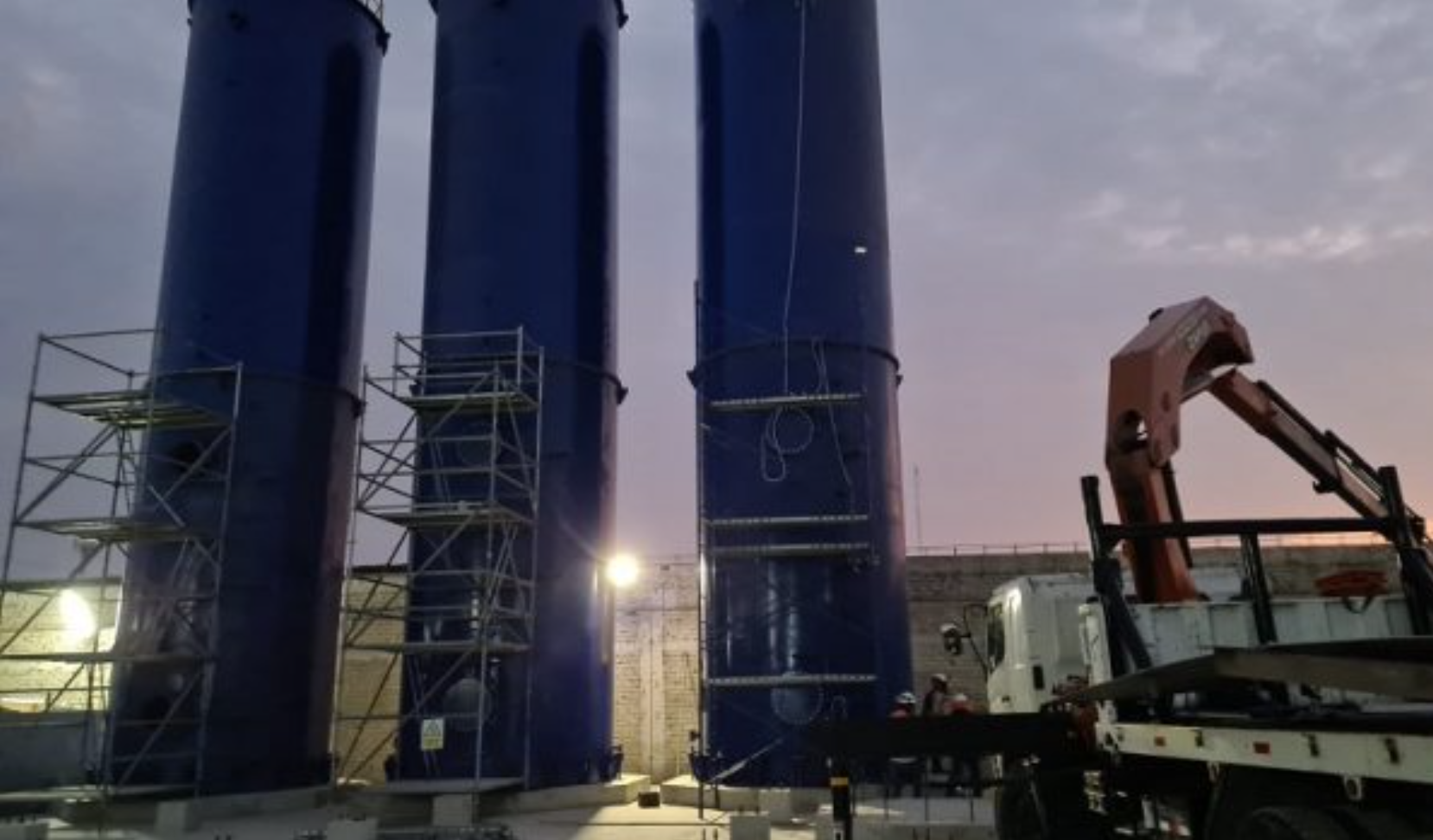
UASB — real installation
UASB real photo
EGSB — real installation
EGSB real photo
Expanded bed = better mixing — granules are in constant gentle motion → better contact between wastewater and microbes → faster degradation
HRT: 2–6 hours
Up-flow: 4–10 m/h
COD removal: 80–95%
Handles: Very high-strength
  • Handles very high COD waste (up to 50,000 mg/L) — UASB struggles above ~15,000
  • Better mass transfer → higher volumetric loading rate
  • Less clogging — expanded bed self-cleans
  • Smaller footprint than UASB for same throughput
  • Requires effluent recycle pump — energy cost
  • More complex operation — velocity must be carefully controlled
  • Granule loss possible if velocity too high
  • Still no N or P removal
  • Membrane fouling not addressed — biomass can escape
Next challenge: Retain even the finest biomass → couple with membrane → AnMBR
ParameterBiogas PitUASBEGSB
HRT20–30 days6–12 h2–6 h ✅
Up-flow velocity~0.5 m/h1–3 m/h4–10 m/h ✅
Max COD loadLow~15,000 mg/L~50,000 mg/L ✅
Sludge bed stateSettledPacked blanketExpanded (fluidised)
COD removal50–70%70–90%80–95% ✅
Route A · Stop 4
EGSB + AnMBR
Anaerobic Membrane Bioreactor — retain everything, lose nothing
EGSB + Membrane Filtration
EGSB reactor ↑ Biogas (CH₄ + CO₂) Mixed liquor Membrane 0.01–0.1 μm pores Retained All biomass & SS → stays in reactor Permeate out Clean water only Effluent SS ≈ 0 mg/L SRT fully decoupled from HRT
Result: Run at very high biomass concentrations (20–40 g VSS/L vs 8–12 in EGSB) → fastest degradation rate yet
HRT: < 2 hours
Biomass: 20–40 g/L
COD removal: >95%
Effluent SS: ~0
  • Ultimate biomass retention — no cell loss
  • Extremely high loading rates — smallest reactor footprint of all anaerobic systems
  • Excellent effluent quality for reuse or downstream treatment
  • Can handle toxic or inhibitory compounds — slow-growing specialised microbes are retained
  • Membrane fouling — requires periodic cleaning (energy + chemicals)
  • Biogas can get trapped in membrane → needs degassing system
  • Still no N or P removal — must be followed by Route B treatment
Route A conclusion: COD → handled. Energy → recovered. Now we need Route B for nitrogen and phosphorus.
ParameterCSTRUASBEGSBEGSB+AnMBR
HRT20–30 d6–12 h2–6 h<2 h ✅
Biomass (g/L)~3–5~15–20~15–2520–40 ✅
COD removal50–70%70–90%80–95%>95% ✅
Effluent SSHighLowLow~0 ✅
ComplexityLowMediumMedium-HighHigh
Route B · Stop 1
The A²/O Process
Anaerobic–Anoxic–Oxic: three zones, three jobs — simultaneous C, N, P removal
Quick check — drag to arrange the A²/O zones in the correct order
1st
2nd
3rd
Anaerobic PAOs release P Store organics (PHA) Anoxic NO₃⁻ → N₂ Denitrification Oxic NH₄⁺→NO₃⁻ (Nitrif.) PAOs absorb P Secondary clarifier Sludge return In Eff. Internal recycle — NO₃⁻ returned to Anoxic zone (denitrification) External recycle — PAOs returned to Anaerobic zone (phosphorus release) - - - Internal recycle (NO₃⁻) - - - External recycle (PAOs)
Anaerobic zone
  • PAOs release P
  • Store VFAs as PHA
EQUATIONS
CH₃COO⁻ + PAO → PHA
Poly-P → Pi (released)
C₆H₁₂O₆ → 2C₂H₅OH + 2CO₂
Anoxic zone
  • Denitrifiers use PHA
  • NO₃⁻ → N₂ gas
EQUATIONS
6NO₃⁻ + 5CH₃OH →
3N₂ + 5CO₂ + 7H₂O + 6OH⁻
(PHA as electron donor)
Oxic zone
  • Nitrification: NH₄⁺→NO₃⁻
  • PAOs over-absorb P
EQUATIONS
NH₄⁺ + 2O₂ → NO₃⁻ + 2H⁺ + H₂O
PO₄³⁻ + PAO → Poly-P
(over-absorption)
  • First system to achieve simultaneous C, N, P removal
  • Biological phosphorus removal — no chemicals needed
  • Spatial separation → each microbial community thrives in its optimal zone
  • Internal recycle links the oxic and anoxic zones — elegant engineering
Breakthrough: Wastewater treatment becomes integrated — one system, three problems solved
The Achilles' Heel: Carbon Competition
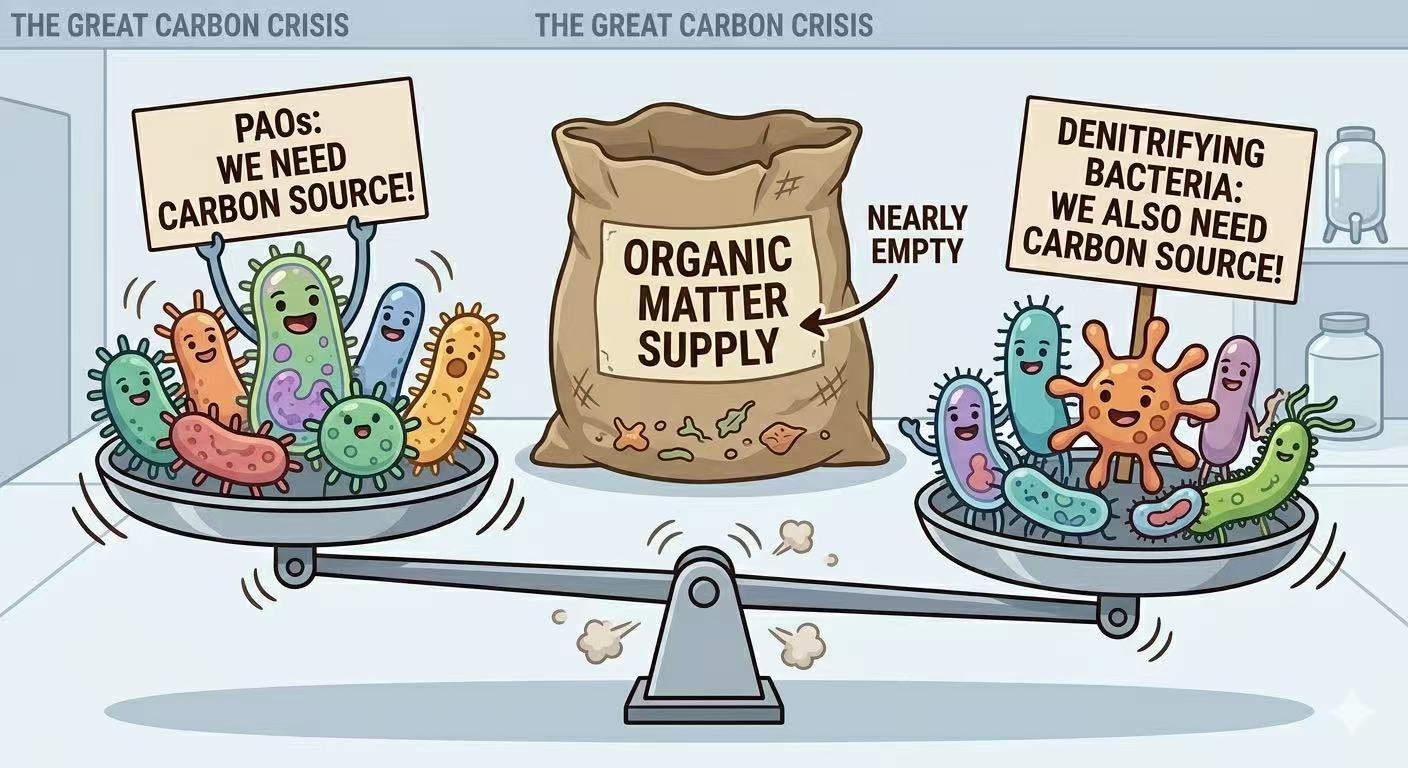
Carbon competition illustration
  • PAOs (anaerobic zone) need organic carbon to store as PHA
  • Denitrifiers (anoxic zone) need organic carbon as electron donor
  • Low C:N ratio wastewater → not enough carbon for both
  • Adding external carbon (methanol, acetate) = extra cost
  • Still requires aeration energy for oxic zone
Key question: Can we remove nitrogen without needing organic carbon at all?
Route B starts here — comparison will grow
ParameterA²/O
C removal✅ Yes
N removal✅ Yes (via nitrification/denitrification)
P removal✅ Yes (biological)
Carbon source neededYes — for denitrification & P release
Aeration energy⚠ High (oxic zone)
Sludge productionModerate
Route B · Stop 2
The Anammox Revolution
Anaerobic Ammonium Oxidation — no carbon, no oxygen, no problem
NH₄⁺ + 1.32 NO₂⁻ → 1.02 N₂ + 0.26 NO₃⁻ + 2H₂O
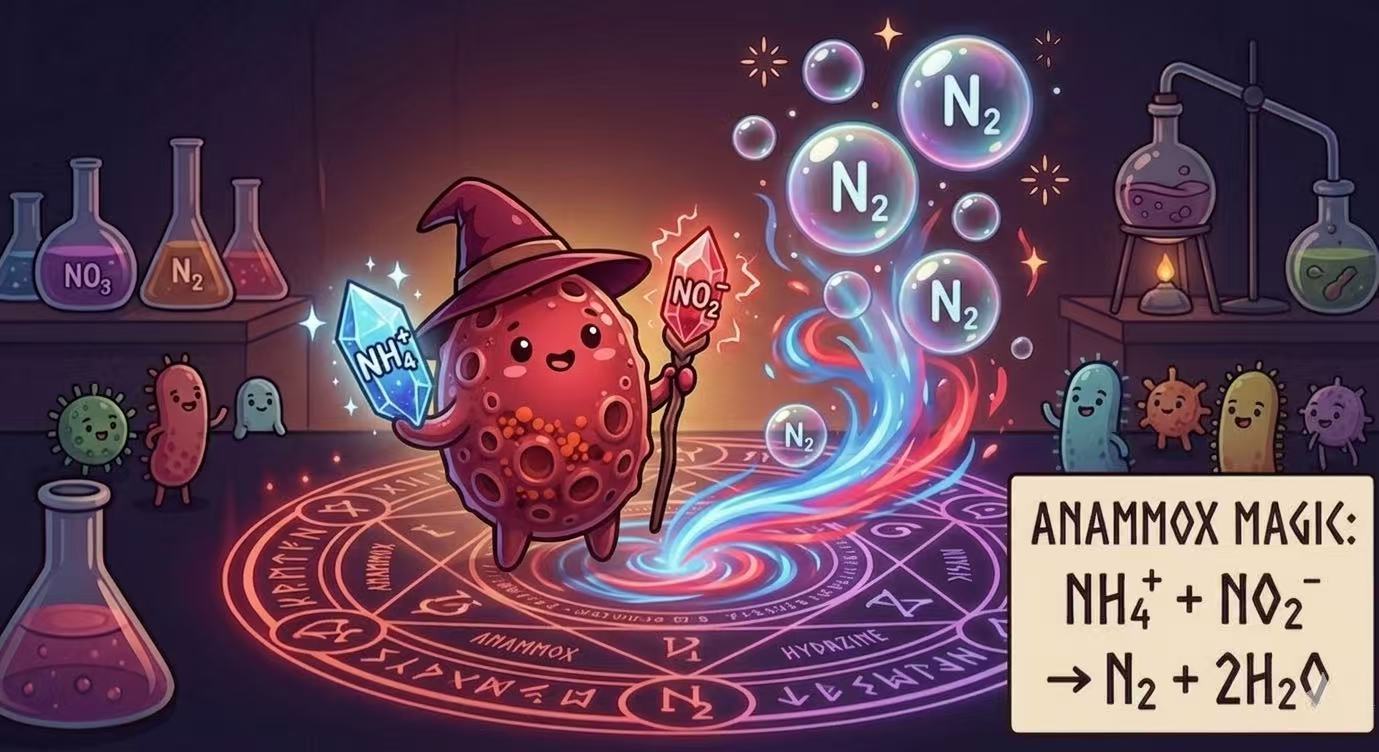
Carbon competition illustration
Who does this?
Anammox bacteria
  • Autotrophic — fix CO₂, no organic C
  • Strictly anoxic environment
  • Deep red colour (haem protein)
  • Doubling time: ~11 days (very slow)
What's needed?
Partial nitritation
  • Need NO₂⁻, not NO₃⁻
  • AOB convert: NH₄⁺ → NO₂⁻
  • Stop nitrification at half-way
  • Ratio: NH₄⁺ : NO₂⁻ ≈ 1 : 1.32
Multi-Zonal Anammox (Prof. Yongzhen Peng, Beijing Univ. of Technology): Anammox bacteria distributed across all three zones of A²/O — more stable, broader applicability
🔋 Carbon saved
~100%
No organic carbon needed for N removal — solved the carbon competition problem completely
⚡ Energy saved
~60%
No need to fully nitrify NH₄⁺ → NO₃⁻ → massive aeration energy reduction
🧪 Sludge reduced
>90%
Autotrophic, slow-growing bacteria produce far less excess sludge
🌍 N₂O reduced
Lower
Fewer nitrification steps → less N₂O (300× CO₂ warming potential)
  • Anammox bacteria grow extremely slowly (doubling time ~11 days) — months of start-up
  • Sensitive to temperature (optimal 30–40°C), dissolved oxygen, and pH
  • Requires precise partial nitritation control — stopping at NO₂⁻ is tricky
  • Mainly applied to high-ammonia sidestreams (digester reject water) — mainstream application still challenging
  • P removal still needed separately
Future: Multi-zonal strategy aims to make Anammox work in mainstream wastewater → carbon-neutral WWTPs
ParameterA²/OAnammox
N removal pathwayNitrification + DenitrificationDirect NH₄⁺ + NO₂⁻ → N₂
Carbon needed?⚠ Yes✅ No
Aeration energyHigh~60% less ✅
Sludge productionModerate>90% less ✅
P removal✅ Yes (biological)⚠ Not included
Start-up timeWeeks⚠ Months
Operational complexityMediumHigh
Final — Synthesis
Anaerobic vs Anoxic: Full Picture
After seeing all the technologies — how do these two strategies compare and complement each other?
FeatureAnaerobicAnoxic
O₂Strictly zeroZero (but NO₃⁻ present)
Electron acceptorCO₂ / organic CNO₃⁻ or NO₂⁻
Main productCH₄ (energy!)N₂ (harmless gas)
Primary roleCOD removal + energy recoveryNitrogen removal
TechnologiesCSTR → UASB → EGSB → AnMBRA²/O → Anammox
Carbon requirementConsumes organic CNeeds C (A²/O) or none (Anammox)
EnergyProduces energyConsumes energy (aeration in A²/O)
SludgeModerateHigh (A²/O) / Very low (Anammox)
They are complementary, not competing
Real wastewater treatment plants use both — Anaerobic first (remove COD, recover energy), then Anoxic/Oxic (remove N & P)
The evolution in one sentence:
From "treat waste and discard" → to "recover energy, nitrogen, phosphorus, and water — leave nothing behind"
References
References
[1]
Zieliński, M., Kazimierowicz, J., & Dębowski, M. (2023). Advantages and limitations of anaerobic wastewater treatment — technological basics, development directions, and technological innovations. Energies, 16(1), 83. https://doi.org/10.3390/en16010083
[2]
Zhang, X., Fan, Y., Hao, T., Chen, R., Zhang, T., Hu, Y., Li, D., Pan, Y., Li, Y. Y., & Kong, Z. (2024). Insights into current bio-processes and future perspectives of carbon-neutral treatment of industrial organic wastewater: A critical review. Environmental Research, 241, 117630. https://doi.org/10.1016/j.envres.2023.117630
[3]
Zhang, X., Hao, T., Zhang, T., Hu, Y., Lu, R., Li, D., Pan, Y., Li, Y. Y., & Kong, Z. (2024). Towards energy conservation and carbon reduction for wastewater treatment processes: A review of carbon-neutral anaerobic biotechnologies. Journal of Environmental Chemical Engineering, 12(3), 112448. https://doi.org/10.1016/j.jece.2024.112448
[4]
Mariraj Mohan, S., & Swathi, T. (2022). A review on upflow anaerobic sludge blanket reactor: Factors affecting performance, modification of configuration and its derivatives. Water Environment Research, 94(1), e1665. https://doi.org/10.1002/wer.1665
[5]
D'Bastiani, C., Kennedy, D., & Reynolds, A. (2023). CFD simulation of anaerobic granular sludge reactors: A review. Water Research, 242, 120220. https://doi.org/10.1016/j.watres.2023.120220
[6]
Parihar, R. K., Burnwal, P. K., Chaurasia, S. P., et al. (2024). Unveiling the evolution of anaerobic membrane bioreactors: applications, fouling issues, and future perspective in wastewater treatment. Reviews in Environmental Science and Bio/Technology, 23, 949–988. https://doi.org/10.1007/s11157-024-09710-6
[7]
Elmoutez, S., Abushaban, A., Necibi, M. C., Sillanpää, M., Liu, J., Dhiba, D., Chehbouni, A., & Taky, M. (2023). Design and operational aspects of anaerobic membrane bioreactor for efficient wastewater treatment and biogas production. Environmental Challenges, 10, 100671. https://doi.org/10.1016/j.envc.2022.100671
[8]
Deng, Z., Sun, C., Ma, G., Zhang, X., Guo, H., Zhang, T., Zhang, Y., Hu, Y., Li, D., Li, Y. Y., & Kong, Z. (2025). Anaerobic treatment of nitrogenous industrial organic wastewater by carbon-neutral processes integrated with anaerobic digestion and partial nitritation/anammox: Critical review of current advances and future directions. Bioresource Technology, 415, 131648. https://doi.org/10.1016/j.biortech.2024.131648
The End
Thank You — Q&A
The magical journey of waste continues...
Route A Summary
  • Biogas Pit → concept proven
  • UASB → biomass retained
  • EGSB → velocity + load up
  • AnMBR → ultimate retention
Route B Summary
  • A²/O → C+N+P together
  • Anammox → no carbon needed
  • Multi-Zonal → real-world scale
Waste is not waste — it's a misplaced resource
Thank you
MEET XIAO NONG · 小浓的成分分析
High Concentration ——>> High Potential